Free Newsletter
 FREE PRODUCT INFORMATION
Modern POS Systems Offer More Than Faster Checkouts | Carol Schroeder
Carol Schroeder// Retailer//July 6, 2026
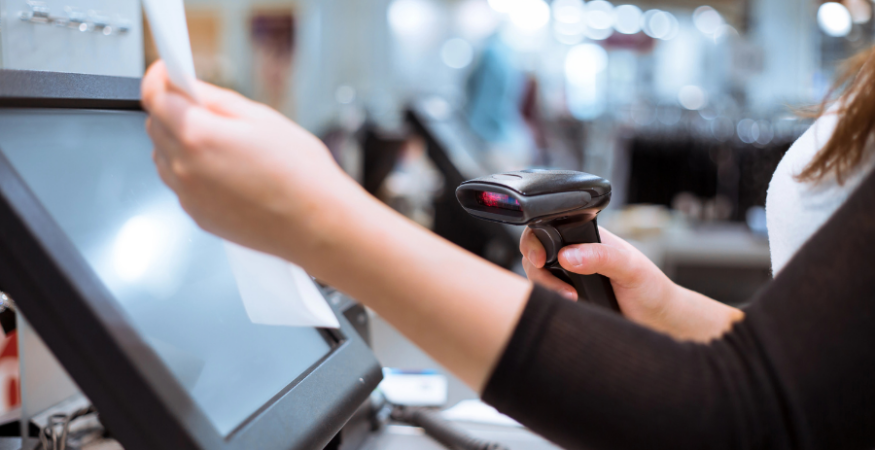
(Image courtesy of Depositphotos)
Modern POS Systems Offer More Than Faster Checkouts | Carol Schroeder
POS systems certainly have their advantages over simple registers, like helping retailers track inventory, customer data and more.
Carol Schroeder// Retailer//July 6, 2026


One of the most common questions new retailers ask is “do I need a POS system, and if so which one is best for my store?” Veteran shopkeepers who have been using cash registers instead of the more modern point-of-sale systems are faced with similar questions when considering the efficiency of converting.
Both POS and cash register systems work fine to ring up sales, and a sophisticated computer-integrated POS system is not always necessary to track inventory. Sometimes it’s just as easy to count the number of items on the shelf.
But a POS system does offer more options for tracking customer data, which is advantageous for forming meaningful relationships and encouraging frequent visits. You can store and track purchase history, birthdays and contact information, and add points to a loyalty program without requiring the customer to carry a frequent shopper card.
A POS can also be used to generate purchase orders. This is mostly an advantage if you are going to reorder the same items regularly. The system can be set to recommend an order when you reach a certain inventory level.
Retailers are wise to track shipping costs and to calculate retail prices that take this into account. You can have your POS system determine the true cost of each item and set prices for you. But, of course, all the pricing information (including markdowns) needs to be put into the system so that scanning at the checkout counter brings up the correct price.
If you plan to have more than one store, or to be multi-channel, a POS system is essential. It can sync online sales to your inventory automatically, including purchases from internet wedding registries. It can also keep your website up to date with pricing and items that are out of stock.
The cost of acquiring the hardware for a POS system, which would include a bar code scanner, monitor and cash drawer, is fairly low. But you will need to pay a monthly SaaS fee (Software as a Service) to the provider, as well as credit card processing fees if this is a service bundled with the system. (There is sometimes the option of using your own processor, but often a “non-native penalty fee” is assessed to discourage this.)
Stores that have been using a manual system will need to spend a great deal of time on the initial entering of their Inventory data, especially if they stock many different SKUs. They will also have to generate barcodes for items that don’t include them and enter additional information to get the system up and running. Many vendors and B2B platforms – including Faire – offer direct order integration with the most popular POS systems.
One last concern about a POS system: it only works when it is live. While most modern POS systems offer a limited offline capability, internet outages can still be disruptive. This vulnerability, together with concerns about the dependability of the software, highlights the importance of selecting a provider you can depend on.
At this time, there are a number of POS systems that dominate the independent retail market, including Clover, Lightspeed Retail, Shopify, Square and Heartland Retail. Before selecting one for your shop, talk to your fellow retailers and read online reviews to see which one might be best for you.
See more from Carol Schroeder, author of Specialty Shop Retailing and co-owner of Orange Tree Imports, in the Savvy Store Solutions tab.