Free Newsletter
 FREE PRODUCT INFORMATION
From the Pump to the Shelf: How Rising Gas Prices Are Affecting Toy Retailers | Pamela Brill
Pamela Brill// Contributing Editor//July 9, 2026
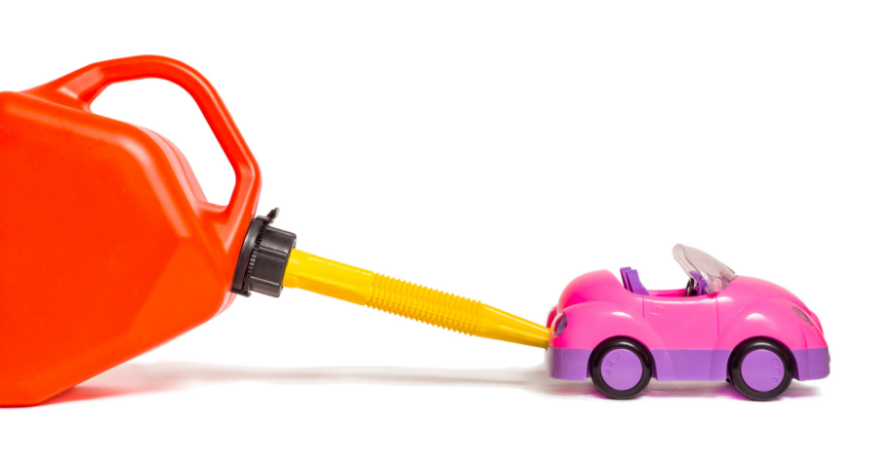
(Image courtesy of Depositphotos)
From the Pump to the Shelf: How Rising Gas Prices Are Affecting Toy Retailers | Pamela Brill
Pamela Brill// Contributing Editor//July 9, 2026


Sticker shock at the gas station has taken hold, and toy makers and sellers are feeling the pinch. No stranger to change, however, the industry is assessing how to adapt to this latest challenge.
“Gas prices are definitely creating a ripple effect across the toy industry, but it’s really the cumulative effect of transportation, freight and overall consumer confidence that companies are watching more closely,” said Matt Nuccio, president and creative director of Design Edge Inc. “What we’re seeing now is companies becoming smarter about inventory planning, logistics and product.”
Here’s how suppliers and store owners are responding to fuel fluctuations, head on.
Proactive Pricing
At Beverly Hills Teddy Bear, the company has been working diligently to cost average prices. “We are making sure to try and affect our partners with the lowest increases possible,” said CEO David Socha. That also means working with vendors to place orders early, which has helped to mitigate uncertainties.
Smaller companies like Griddly Kids are using size to their advantage when managing shipping costs. “While fuel surcharges from our freight forwarder do fluctuate, we’ve built strong relationships with our logistics partners that gives us better visibility into landed costs,” explained President Reisa Schwartzman. “On the domestic side, we’ve been refining how we work with LTL carriers to make every shipment count.” The company is also delaying new product launches until cost visibility improves.
As to whether manufacturers will eventually pass the additional fees onto consumers or absorb them internally remains to be seen. Socha’s company has shouldered the increases thus far, while ensuring that product prices remain strategic. At Basic Fun, which just completed market previews, the company is balancing inflation while locking down fall 2027 prices. “So, where we can, we’ll try to pass the actual or anticipated increases, as long as we can still offer margin to our customers and value to the consumers,” said CEO Jay Foreman.
Griddly Kids implemented a modest price increase on its core line this spring. The company plans to absorb a portion of the cost increase in the short term to maintain a strong presence at specialty retailers. “Our commitment to them positions us extremely well when input costs normalize,” said Schwartzman.
Let’s Make a Deal
Retailers already dealing with tariff-related hikes have become super-savvy about managing fuel increases. Teneen Dobbs, owner of Kits & Kaboodle in Carmel, Ind., is concentrating on free freight opportunities and discounted pricing. She plans to absorb as much of the inflation-related increases as possible, after having to raise some prices due to tariffs. “Our families are budgeting carefully, and we want to mirror that same effort and sensitivity,” she said.
Other store owners across the country are following a similar approach, including Keri Piehl of Color Wheel Toys in Albuquerque, N.M., and Dean Smith of Jazams in Princeton, N.J. While Kiehl generally takes less than keystone markup on certain brands and products, she ensures that all wholesale orders make free or reduced freight, “so spacing our orders more makes that feasible.”
Even though Smith takes advantage of volume buys to offset costs, he acknowledges the ongoing challenge. “The increases we have seen in the past two years…have left little room not to increase prices,” he said.
Without an indication of gas prices stabilizing any time soon, retailers must insulate themselves as they navigate the road ahead. Astra President Sue Warfield believes in the power of the neighborhood toy store and salutes its accessibility and convenience. Consider her suggestions for boosting gas-saving perks:
- Offer local deliveries for a small fee, conducting drop-offs a few times a week.
- If your store offers coupons, create one for “gas money” as an added incentive to shop in-person.
- Partner with neighboring shops on promotions so consumers can cut down on drive time.