Free Newsletter
 FREE PRODUCT INFORMATION
Comfort is the New Home Aesthetic, Here’s How Retailers Can Help Customers Curate It
Guest Contributor// June 18, 2026

Baychester throw. Carol & Frank. cnfei.com
Comfort is the New Home Aesthetic, Here’s How Retailers Can Help Customers Curate It
In a pivot from recent years, today’s consumer is less focused on how their spaces look and more focused on how they feel.
Guest Contributor// June 18, 2026


Summary:
- Creative Co-Op, C&F Enterprises and Hazel Mazel emphasize intentional, personal home spaces and consumers’ focus on comfort and emotional connection
- Stylish fragrancers, decorative storage solutions, soft textiles and faux botanicals among top trends
- Americans are paying attention to the materials used in the products they bring into their homes
- Neutral tones continue to anchor the comfort-forward movement
- Designing in layers, especially with textural accents and textiles, adds warmth to a space
Comfort-forward design is quickly becoming the defining mindset in today’s home furnishings market, and consumers are settling into it comfortably. As Americans continue to prioritize well-being, relaxation and meaningful living spaces — as well as joy — homes are evolving into personal sanctuaries designed to soothe, restore, invite connection and showcase individuality. For independent retailers, this shift presents a valuable opportunity to curate collections that speak directly to how people want to feel in their spaces: calm, grounded and completely at ease.
The movement goes beyond oversized throw pillows wrapped in soft textiles — though they play a key role. Comfort-forward interiors embrace warmth through every detail. Natural elements, handcrafted accents and pieces with character and authenticity are especially resonating with today’s consumer.

The Case for Cozy
For many, home is no longer about creating a Pinterest-perfect, Instagram-worthy space designed to impress others. Instead, it has become a personal sanctuary where they can feel most relaxed and authentically themselves. Soft textures, warm lighting, natural materials and familiar, inviting décor all contribute to an atmosphere that feels restorative rather than performative. Consumers are gravitating toward interiors that support how they want to live, not how they want a room to look in a photograph.
Garry Schermann, senior vice president of sales at Creative Co-Op, explained, “People want their spaces to feel intentional and personal — like a true reflection of who they are.”
Colleen Hall, senior vice president of C&F Enterprises, added, “With so much uncertainty and noise in the world around us, consumers are increasingly looking to their homes as spaces of comfort, retreat and emotional connection. People want environments that help them slow down, recharge and feel grounded.”
This mindset is also fueling a move away from rigid, one-size-fits-all trends. Rather than replicating a popular style, customers are embracing spaces that feel collected, layered and personal.
Abigail Ahern, London-based designer and owner of the home furnishings company named after herself, said, “I firmly believe that creating your home is about surrounding yourself with things that you love and that resonate with the heart.” Consumers want homes that reflect their routines, personalities and emotional needs, whether that means having a reading nook in a quiet corner of the home or curating a mix of old and new decorative accents that create a sense of familiarity.
Understanding the philosophy behind this shift is essential. Today’s customers are not simply shopping for décor; they’re investing in how they want to feel at home.

Comfort-Forward Must-Haves
Cutting the clutter is first and foremost when amping up the comfort factor. Consumers are gravitating toward products that blend comfort with practicality — organizational baskets, boxes and trays are as stylish as they are functional, and washable textiles are a no-brainer for families.
Ruth Singh, national sales manager at Hazel Mazel, said, “We’re seeing consumers prioritize products that blend comfort with practicality. Soft textiles, functional kitchen accessories, decorative storage solutions, and meaningful tabletop pieces are all strong categories right now … they make everyday rituals feel elevated.”
Candles, diffusers and room sprays are increasingly viewed as part of the overall home experience, helping consumers establish a mood and create a sense of calm. Soft, familiar scents such as sandalwood, vanilla, linen, cedar and amber contribute to the feeling of home as a personal retreat. “Fragrance is huge right now — whether it’s a beautifully crafted candle or a diffuser, scent has a powerful way of making a space feel lived-in and welcoming,” Schermann said.
Another category gaining momentum is faux botanicals. Consumers love the organic softness greenery brings to a space, but many are opting for high-quality faux stems and arrangements that offer beauty without the upkeep.
“I love to reflect nature’s beauty with faux botanicals like seasonal garden blooms and nature-inspired scents like rosemary, vetiver and eucalyptus,” Ahern said. “It makes us feel connected to the outside landscape, boosting the cozy feels inside.” Realistic faux botanicals allow shoppers to introduce nature-inspired elements into their homes in a low-maintenance, practical way.
Further, health-conscious shopping habits are also influencing purchasing decisions. More Americans are paying attention to the materials used in the products they bring into their homes, particularly seeking out items made without per- and polyfluoroalkyl substances (PFAs) and other potentially harmful chemicals. Seann Dwyer, brand creative director at Demdaco, noted, “We are also looking at labels more. PFAs are a concern. From the types of paint we use, the fibers used to create pillows and rugs, to the food we are consuming and how we are storing it, we are considering wellness every step of the way. Because of this, interior designers are paying attention to the materials that have natural textures, mineral color stories, and wood grains.”
Products that prioritize safer materials and cleaner living environments align naturally with the broader desire for homes that feel comforting, restorative, and well considered.

Color Theory: Top Colors for the Home
Color plays a powerful role in how a home feels, making it one of the most important elements in comfort-forward design. Today’s consumers are choosing palettes that create emotional warmth within their living spaces. Rather than focusing solely on trend-driven shades, shoppers are becoming more intentional about selecting colors that reflect their personalities and influence their mood in meaningful ways.
Neutral tones continue to anchor the comfort-forward movement because of their calming and grounding effect. Warm whites, soft taupes, sandy beiges and earthy clay tones create a sense of ease that helps spaces feel restful and inviting. “We have graduated out of gray!” Dwyer said. These hues provide a versatile foundation that allows consumers to layer textures and furnishings without overwhelming a room.
At the same time, comfort-forward design does not mean colorless interiors. Hall noted, “We’re seeing consumers become much more confident with color, although the approach is less about bold statements for the sake of trend and more about creating emotional atmosphere. Earth-inspired tones continue to resonate strongly, warm browns, olive greens, clay, rust, muted blues, and soft mineral shades all help create spaces that feel grounded and restorative.”
Whether through throw pillows, artwork or decorative accessories, these touches of color help a space feel collected and reflective of the people who live there.
Creative Co-Op is well known for its inspirational color stories and vignettes. Schermann noted, “We’re definitely seeing a strong pull toward warm, earthy, grounded tones — think terracotta, warm whites, rich greens, blues and deep caramels. There’s something really telling about that. When the world feels uncertain or fast-paced, people tend to reach for colors that feel safe and rooted in nature. That said, we are seeing some consumers layer in deeper, moodier hues like forest green or rich burgundy to add depth and personality. It’s less about bold risk-taking and more about creating spaces that feel intentionally curated and emotionally grounding.”
This shift also reflects a broader move away from rigid design rules and one-size-fits-all aesthetics. Consumers are prioritizing authenticity over perfection, choosing colors that evoke familiarity, nostalgia, or happiness rather than simply following what is trending online.
Of trending colors, Singh said, “Neutral, earthy tones continue to resonate because they create a sense of calm and timelessness, but there’s also growing demand for playful pops of color that feel optimistic and personal. At Hazel Mazel, bright colors and unexpected combinations continue to perform really well because consumers are looking for little moments of joy in their homes. I think it reflects where people are emotionally right now — they want comfort and stability, but they also want personality and fun.”

The Value of Adding Texture
If color sets the mood of a space, texture is what brings it to life. In comfort-forward design, the sensory experience of a home has become just as important as how it looks. Consumers are increasingly drawn to interiors that feel inviting not only visually, but physically — spaces where every surface, fabric and finish contributes to a sense of warmth and ease.
The tactile experience has become a subtle but powerful driver in purchasing decisions. Shoppers want to touch and interact with the materials in their homes, gravitating toward products that feel soft, substantial or otherwise satisfying. A nubby bouclé pillow, a smooth yet weighty ceramic vase, or a finely woven throw can all elevate a room simply through their tactile presence. These details create a layered environment that feels lived-in and emotionally engaging. Ahern said, “It’s impossible to overdose on texture so I always advise to add more. Different textures excite the eye and draw you into the comfort of the space.”
When it comes to what is trending among C&F Enterprises buyers, Hall noted, “We’re seeing strong demand for layered textures, soft brushed fabrics, chunky knits, quilted details, faux fur, washed cottons and richly woven textiles.”
Natural and organic materials are especially central to this movement. Wood with visible grain, stone with subtle variation, hand-thrown pottery, woven fibers, and imperfect finishes all contribute to a sense of authenticity that machine-perfect surfaces often lack. Consumers are embracing these natural variations as part of a home’s character, appreciating the beauty in irregularity and craftsmanship.
This preference for texture also reflects a broader desire for connection — to materials, to makers, and to a slower, more intentional way of living. Handmade or artisan-inspired pieces carry a sense of story and individuality, making a space feel more personal and grounded. Even small details, like raw edges, stitched seams, or brushed finishes, can add depth and dimension that enhance the overall comfort of a room. “Consumers are drawn to pieces that feel unique and handcrafted because they help a space feel collected rather than overly designed,” Singh said.
Designing Inviting Spaces
More than ever, consumers are shaping their spaces to feel welcoming, relaxed and ready for connection, with a clear shift toward homes that support everyday togetherness. “Dwyer asked, “When there are people, how do you maintain that sense of healing? How do you still bring energy but not chaos? We are adapting to a level of social elasticity. Our homes are open systems allowing people to self-pace, flow and reduce social fatigue.”
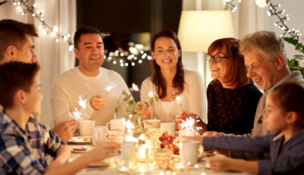
Gatherings are becoming less formal and more spontaneous. Instead of carefully staged entertaining, people are inviting friends and family into lived-in spaces where comfort takes priority over presentation. The focus is on ease — relaxed seating, casual conversation and environments where no one feels pressure for things to look perfect.
Of home gatherings, Schermann said, “Home entertaining has made a real comeback, and it feels more relaxed and intimate than it used to. People aren’t as focused on formal dining — they want spaces that feel inviting and easy. We’re seeing strong demand for casual entertaining pieces: decorative trays and serving boards, interesting glassware, candles and tabletop accents that set a mood.”
Lighting is kept warm and soft, Ahern noted, and layered textiles help create a sense of coziness that makes guests feel instantly at home.
Editor’s note: Article written by Contributor Anne-Marie Earl.